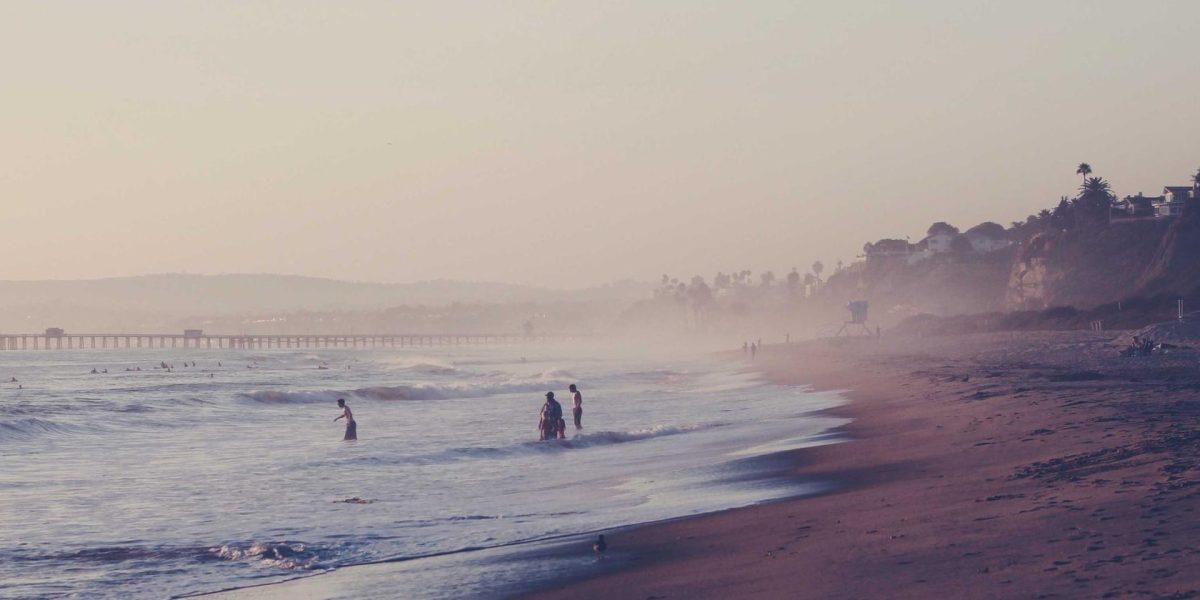
The container port never closes. We spent four nights with the crews who load, unload and track the boxes that fill every shop in the district.
VISUAL_ARCHIVE :: FIELD_DOCUMENTATION
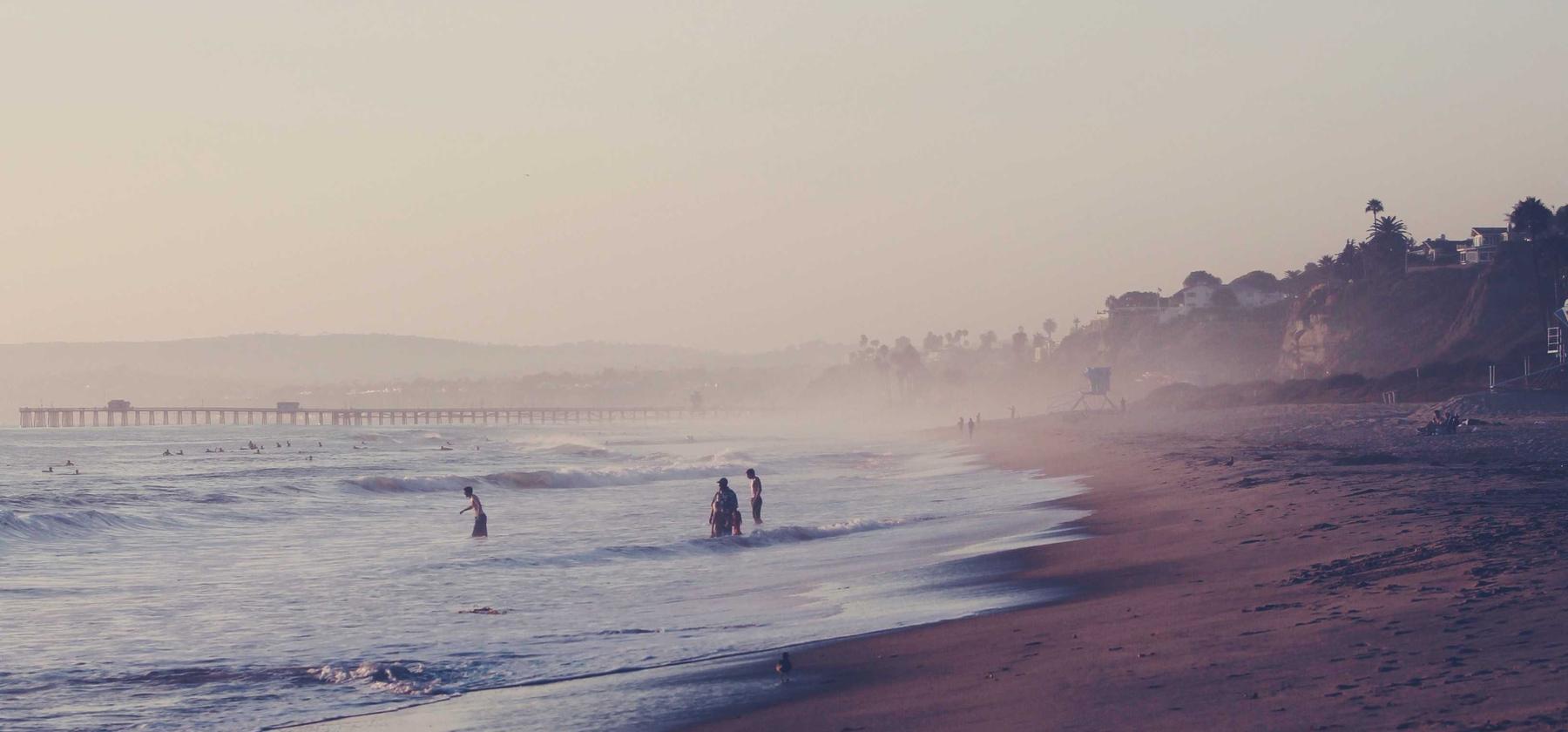
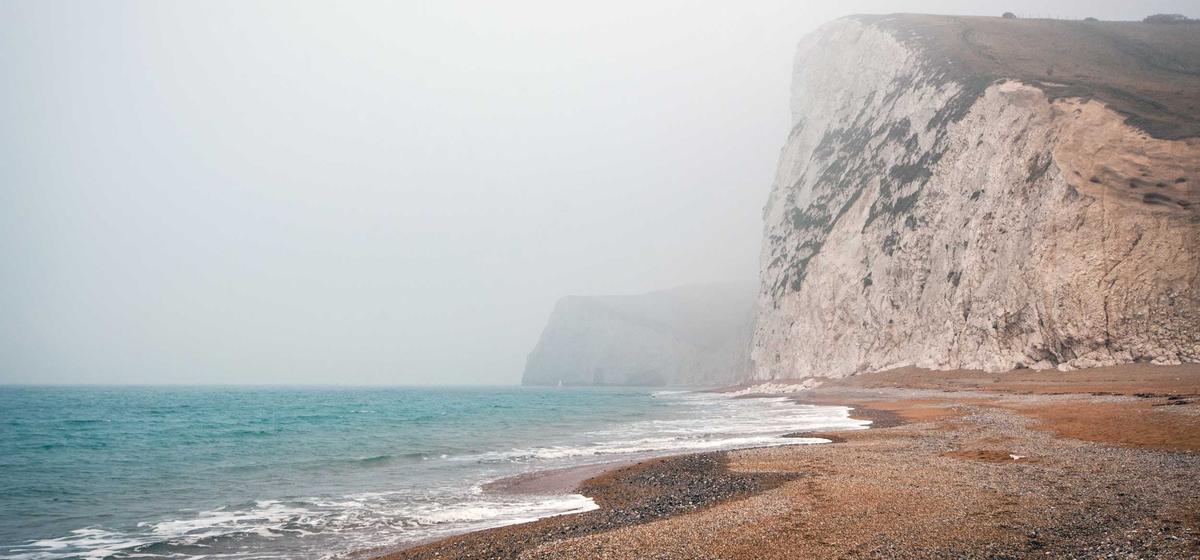
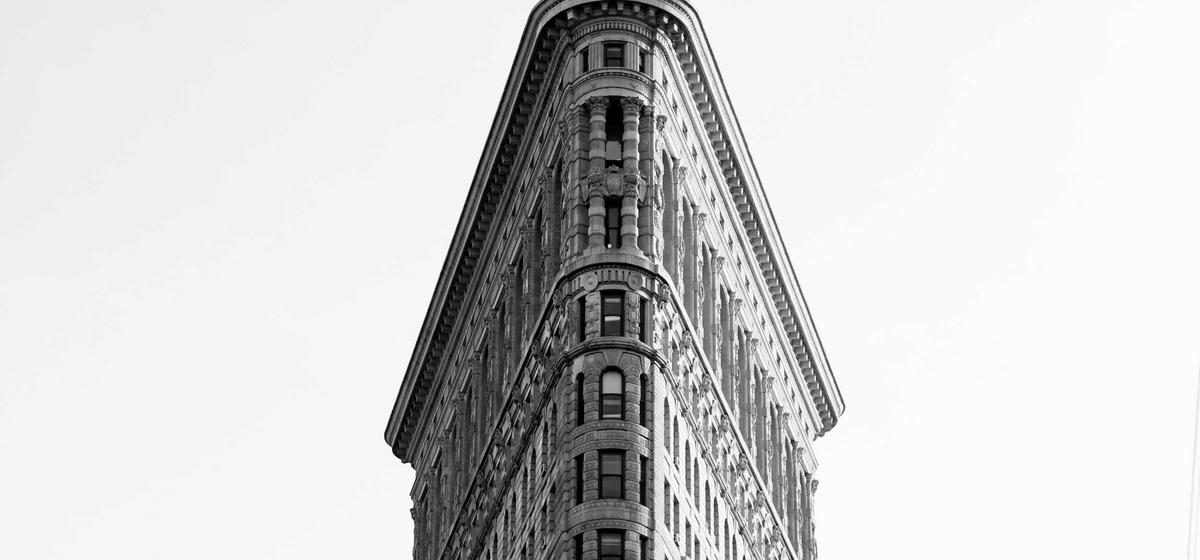
Photographers who work the night shift talk about light differently. They know which streets hold their colour after rain, which billboards cycle through the warmest tones and which platforms empty out between the last train and the first. The cameras have improved enough that grain is now a choice rather than a limitation, and many choose it anyway. The pictures in this series were made over several months, mostly between midnight and dawn, with small cameras that did not draw attention and a willingness to wait for the right person to walk into frame.
Surveillance rarely arrives as one big decision. It accumulates. A camera goes up after a burglary, a licence plate reader follows a grant application, a transit card starts logging trips because the data might be useful someday. Each step sounds reasonable in isolation, and by the time anyone draws the whole picture the infrastructure is already paid for and wired in. That is why the most effective campaigns we have seen start with a map. When residents can see every lens pointed at their front door, the conversation shifts from abstract privacy rights to something personal and immediate.

Can confirm the dumplings at the corner stall are the best in the district.
Happy to share notes. Drop by the Thursday meetup.
Is there a way to support the people in this story directly?
Happy to share notes. Drop by the Thursday meetup.
We have passed the correction to the editor. Thank you.
Our lab has a spare centrifuge if anyone needs one.