The full four-hour hearing on drone delivery permits is worth your time, and the civic records project has published a searchable transcript of the hearing.
Surveillance rarely arrives as one big decision. It accumulates. A camera goes up after a burglary, a licence plate reader follows a grant application, a transit card starts logging trips because the data might be useful someday. Each step sounds reasonable in isolation, and by the time anyone draws the whole picture the infrastructure is already paid for and wired in. That is why the most effective campaigns we have seen start with a map. When residents can see every lens pointed at their front door, the conversation shifts from abstract privacy rights to something personal and immediate.
Transit data is some of the most revealing information a city collects. A single card history shows where someone lives, where they work, which clinic they visit on Tuesdays and who they meet on weekends. Agencies insist the data is protected, but protection is a policy, and policies change with administrations. The safest data is data never collected, which is why advocates push for fare systems that work without identity. Cash, anonymous cards and short retention periods are not relics of a less connected age. They are deliberate design choices that respect the people who ride.
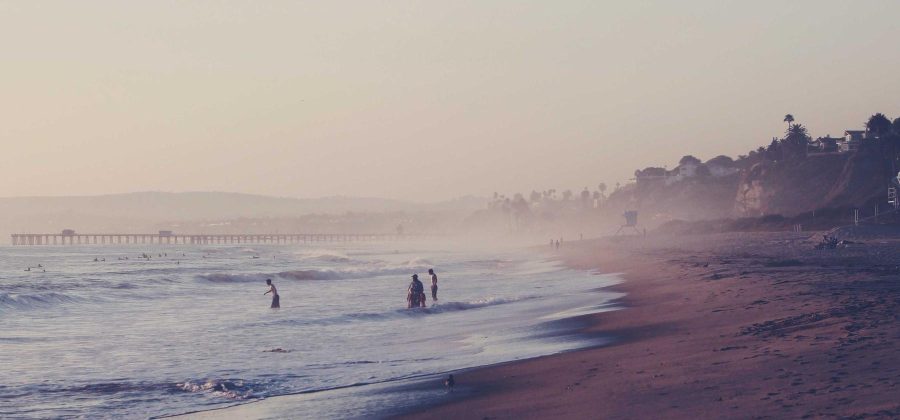



I remember that place. Spent far too many coins there.
Our lab has a spare centrifuge if anyone needs one.
Is there a way to support the people in this story directly?
Beautiful photos. The rain shots in particular.