Every second Saturday, a church hall becomes a repair café. Bring something broken, leave with it working, or at least understand why it is not.
VISUAL_ARCHIVE :: FIELD_DOCUMENTATION
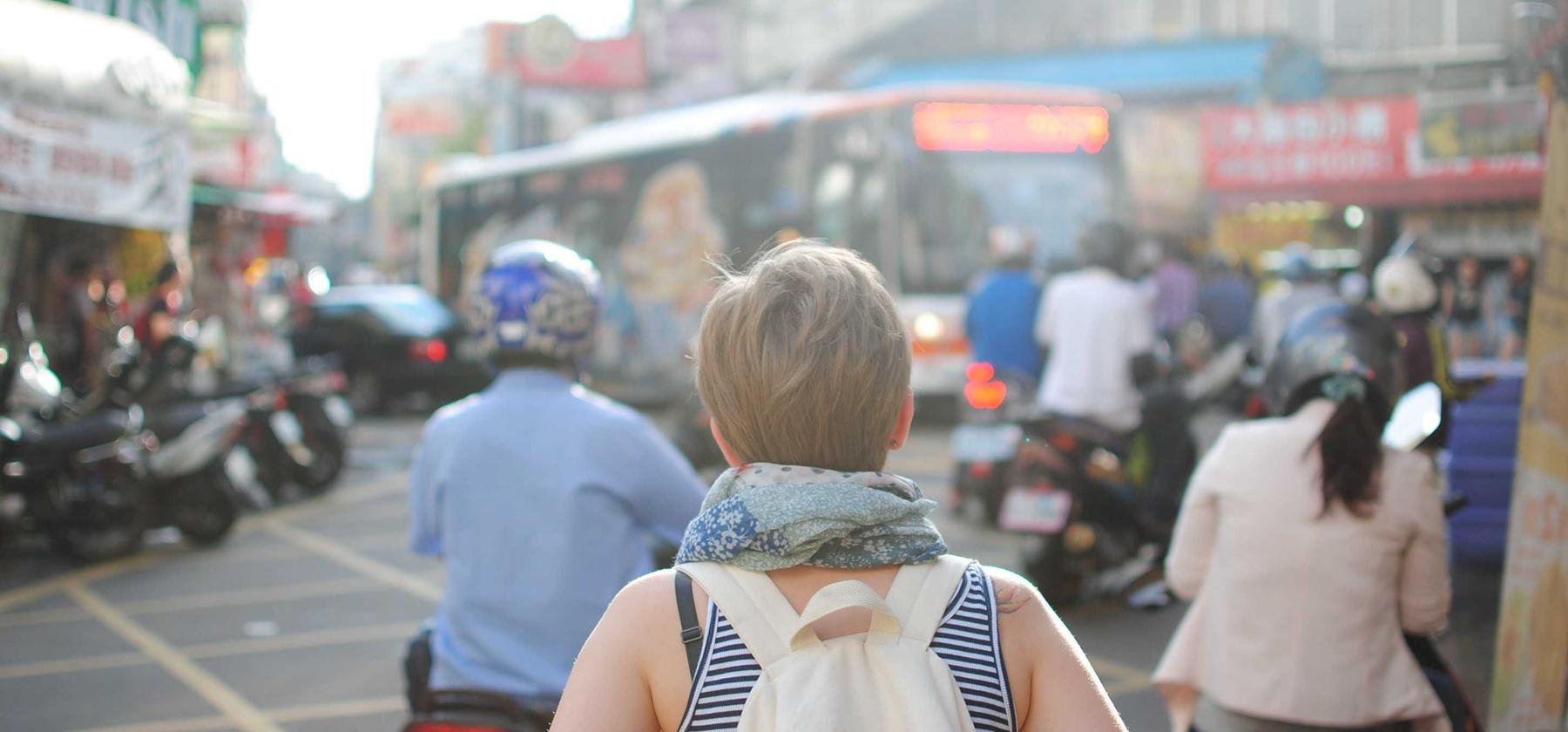
Photographers who work the night shift talk about light differently. They know which streets hold their colour after rain, which billboards cycle through the warmest tones and which platforms empty out between the last train and the first. The cameras have improved enough that grain is now a choice rather than a limitation, and many choose it anyway. The pictures in this series were made over several months, mostly between midnight and dawn, with small cameras that did not draw attention and a willingness to wait for the right person to walk into frame.
Home labs start with a single machine and a vague plan, then expand to fill every shelf in the apartment. The appeal is freedom: a place to break things without consequences, to learn how services really fit together, to host your own photos and calendars instead of renting them. Salvaged enterprise hardware makes it cheap to start, though the power bill can be a rude surprise. The builders we met treat their labs as ongoing experiments. Nothing is ever finished, documentation is always slightly out of date, and something is always blinking amber.


I was at that council hearing. The room was packed.
I disagree with the conclusion, but the reporting is solid.
Same experience here, especially in the older buildings.
We have passed the correction to the editor. Thank you.
Happy to share notes. Drop by the Thursday meetup.
Bookmarked. Sending this to my cousin who works in transit.
Bookmarked. Sending this to my cousin who works in transit.
Bookmarked. Sending this to my cousin who works in transit.
Minor correction: the substation on Fifth was upgraded in spring, not autumn.
I disagree with the conclusion, but the reporting is solid.
The part about the maintenance backlog is the scariest thing I have read all week.