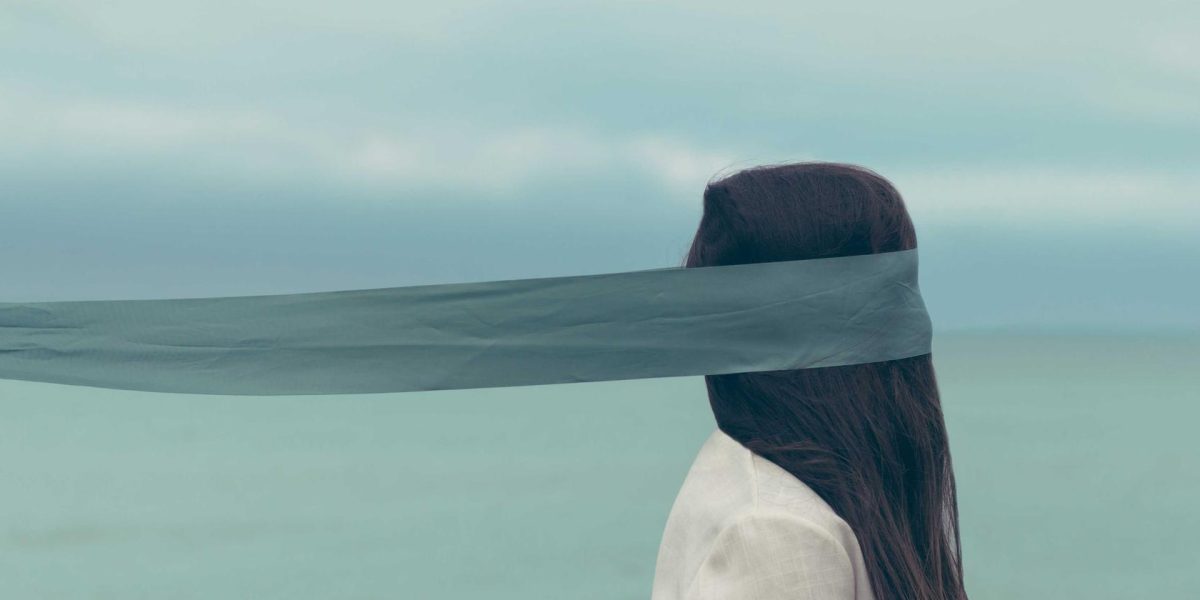
The Sector Nine biolab occupies a former dry cleaner’s. Members pay a small monthly fee for bench time and a lot of safety training.
VISUAL_ARCHIVE :: FIELD_DOCUMENTATION
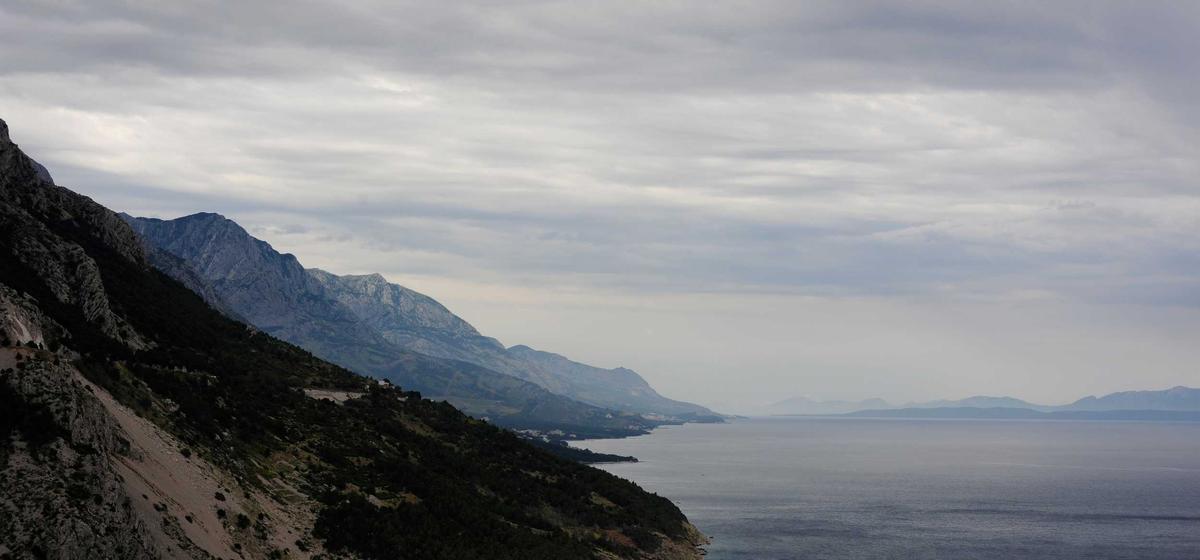
Photographers who work the night shift talk about light differently. They know which streets hold their colour after rain, which billboards cycle through the warmest tones and which platforms empty out between the last train and the first. The cameras have improved enough that grain is now a choice rather than a limitation, and many choose it anyway. The pictures in this series were made over several months, mostly between midnight and dawn, with small cameras that did not draw attention and a willingness to wait for the right person to walk into frame.
Biohacking has a reputation problem, mostly earned by a handful of people who injected untested things on camera. The community labs we visited are nothing like that. They are cramped, well organised and slightly obsessive about safety data sheets. Members run workshops on extracting DNA from strawberries, calibrate secondhand centrifuges and argue about ethics over cheap coffee. The work is slow, careful and often boring, which is exactly the point. What they want is access: to equipment, to knowledge and to a seat at the table when the rules about bodies and data are written.

Is there a way to support the people in this story directly?
The part about the maintenance backlog is the scariest thing I have read all week.
Fair, though I think the costs will come down fast.
I run a node two streets over. Happy to help anyone who wants to set one up.
We have passed the correction to the editor. Thank you.
We have passed the correction to the editor. Thank you.
Printed this out for our tenants’ association meeting on Thursday.
Bookmarked. Sending this to my cousin who works in transit.
We tried this at our makerspace and hit exactly the same problems.
Great read. The footnotes are a nice touch.
The table comparing options was really useful, thanks.